Tímea Fekete (Szeged, July 8, 2000) film director, photo editor for the press, documentary photographer, visual artist. I have been living in Budapest for three years, but I often visit my hometown, Szeged.
Interview by Mira Marincaș
09.01.2026
M.M.: Hello Timea. What is your focus in life?
F.T.: I usually pay attention to quite a lot of things at once. I am definitely a visual person, I sometimes paint, draw, take photos, and since I graduated from university with a degree in film, this has contributed greatly to my ability to approach topics in moving images or in more complex ways.
I am currently in a transitional period, as a long-term project of mine has come to an end and there are also quite a few changes happening in my private life too, so this period is somehow about changing pace, rethinking a part of myself. Also about deciding whether to revisit some older ideas and plans that have been lying dormant in a drawer, and if so, how to work with them.
M.M.: Is there a timeline for your completed photographic works? What comes after what?
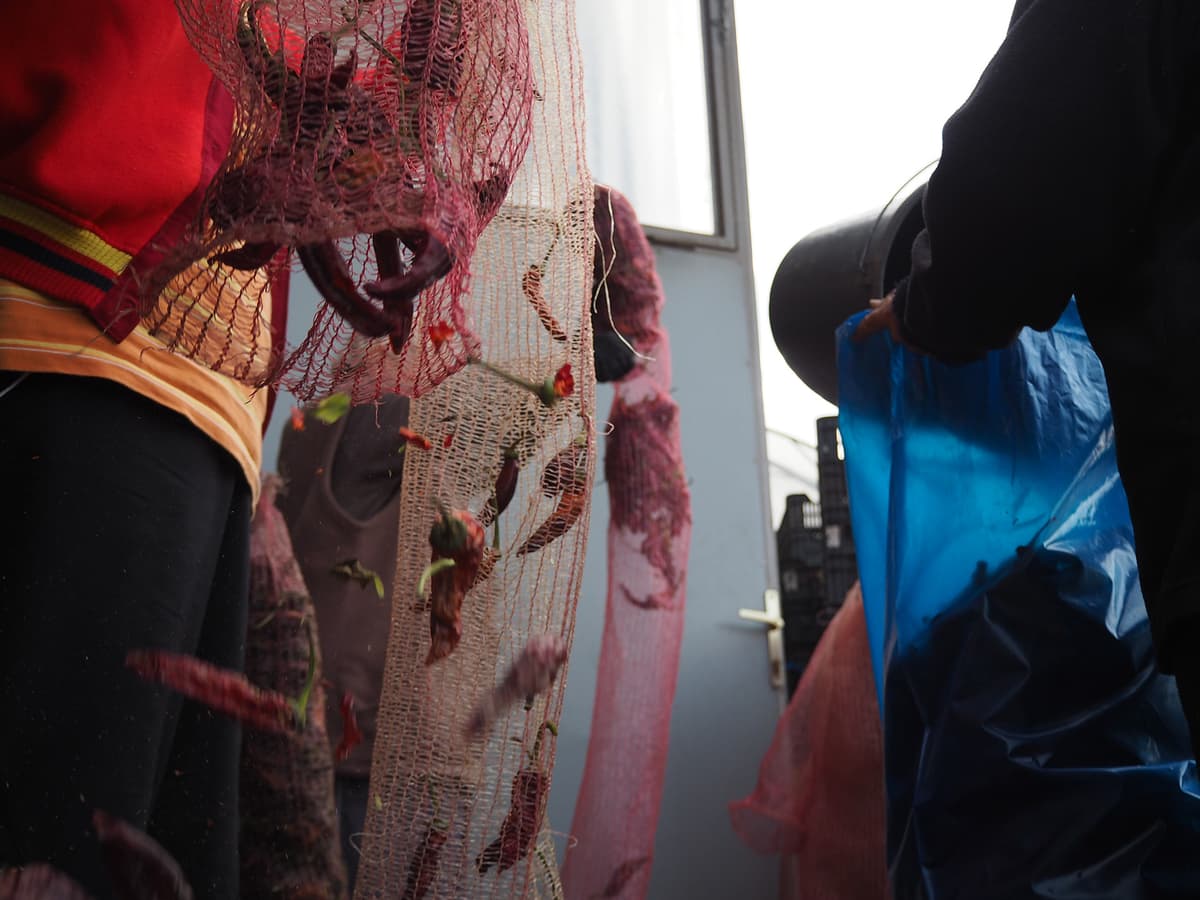
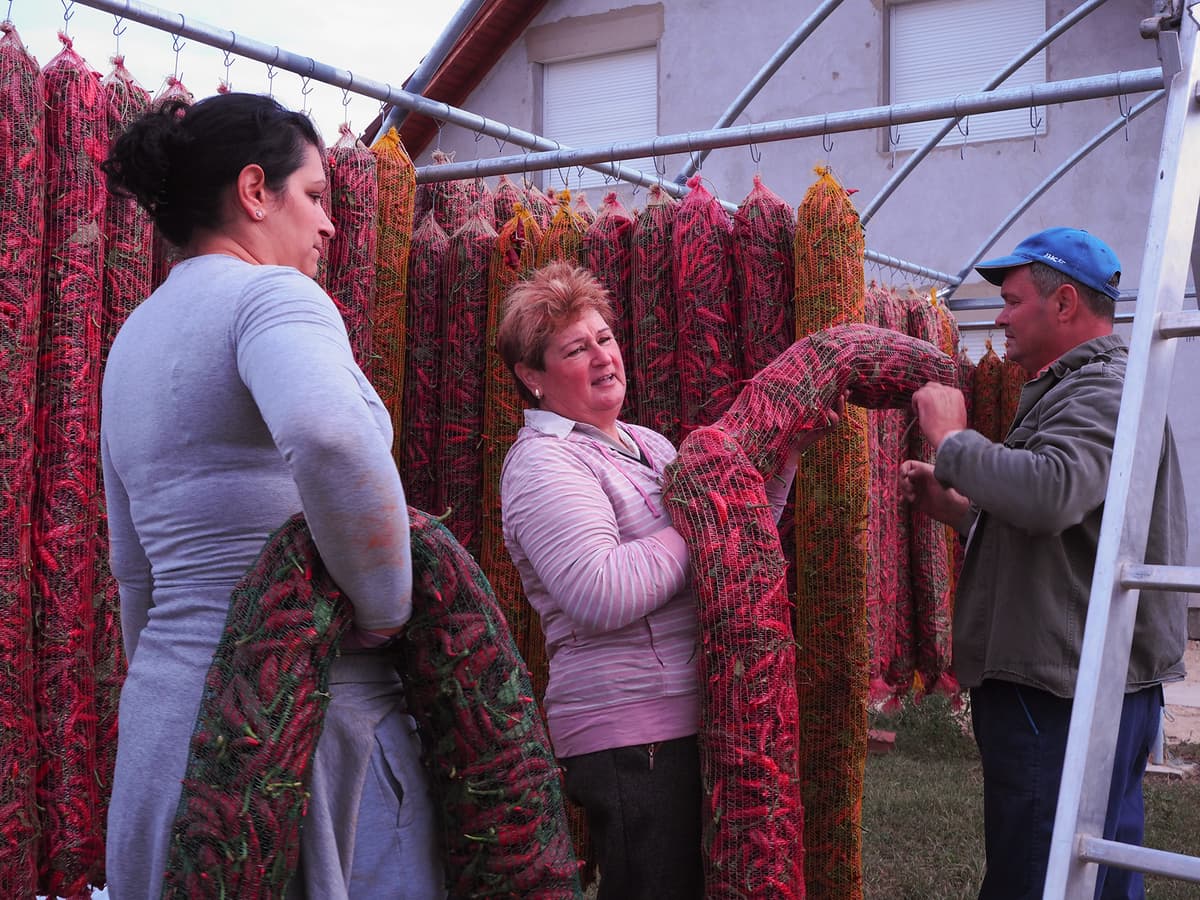
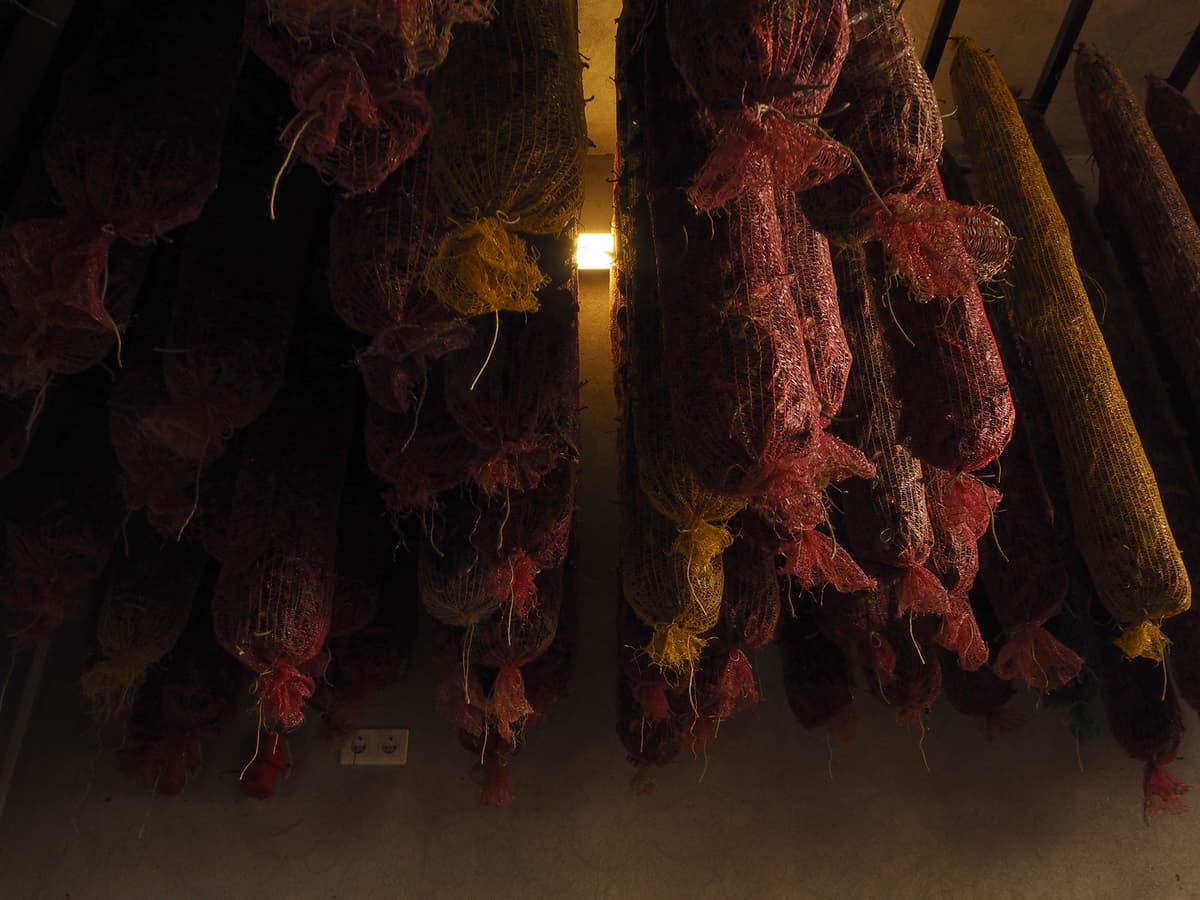
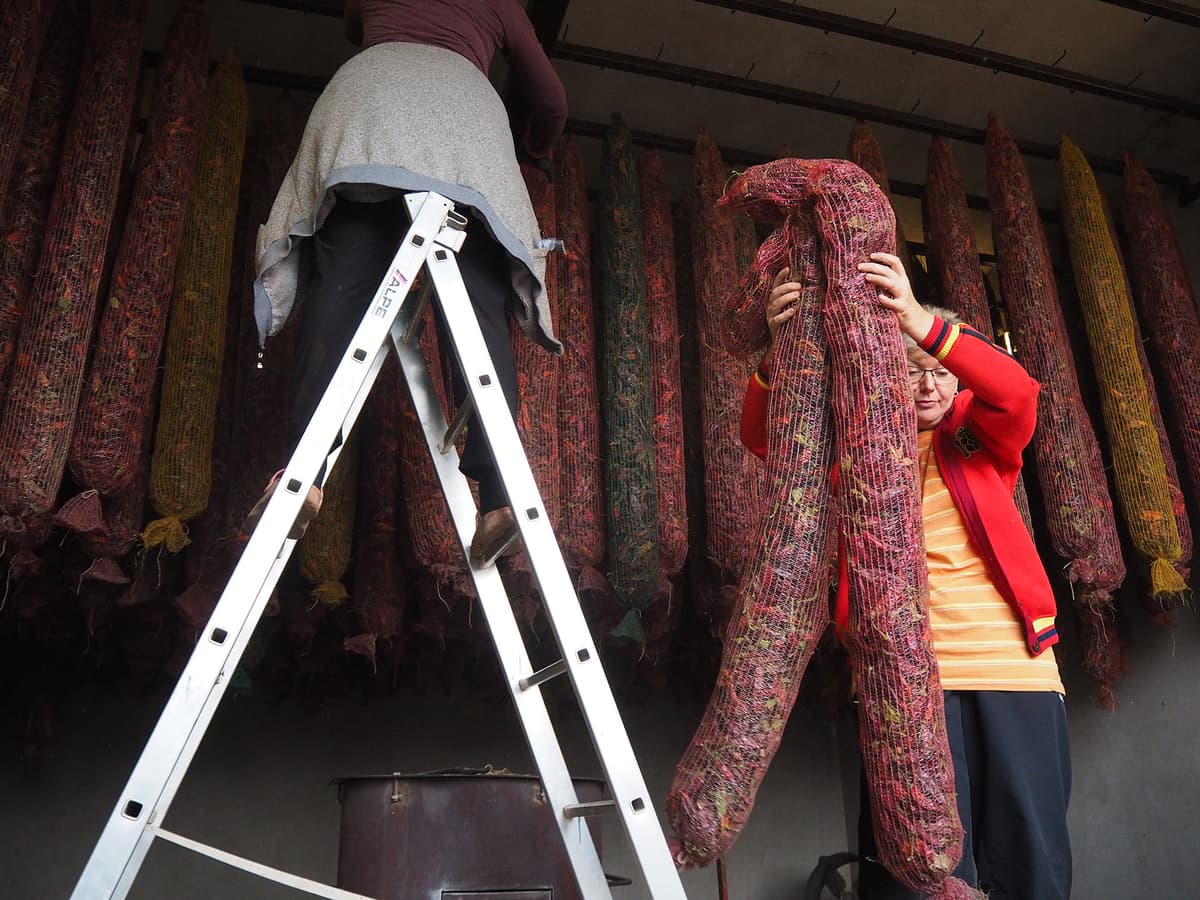
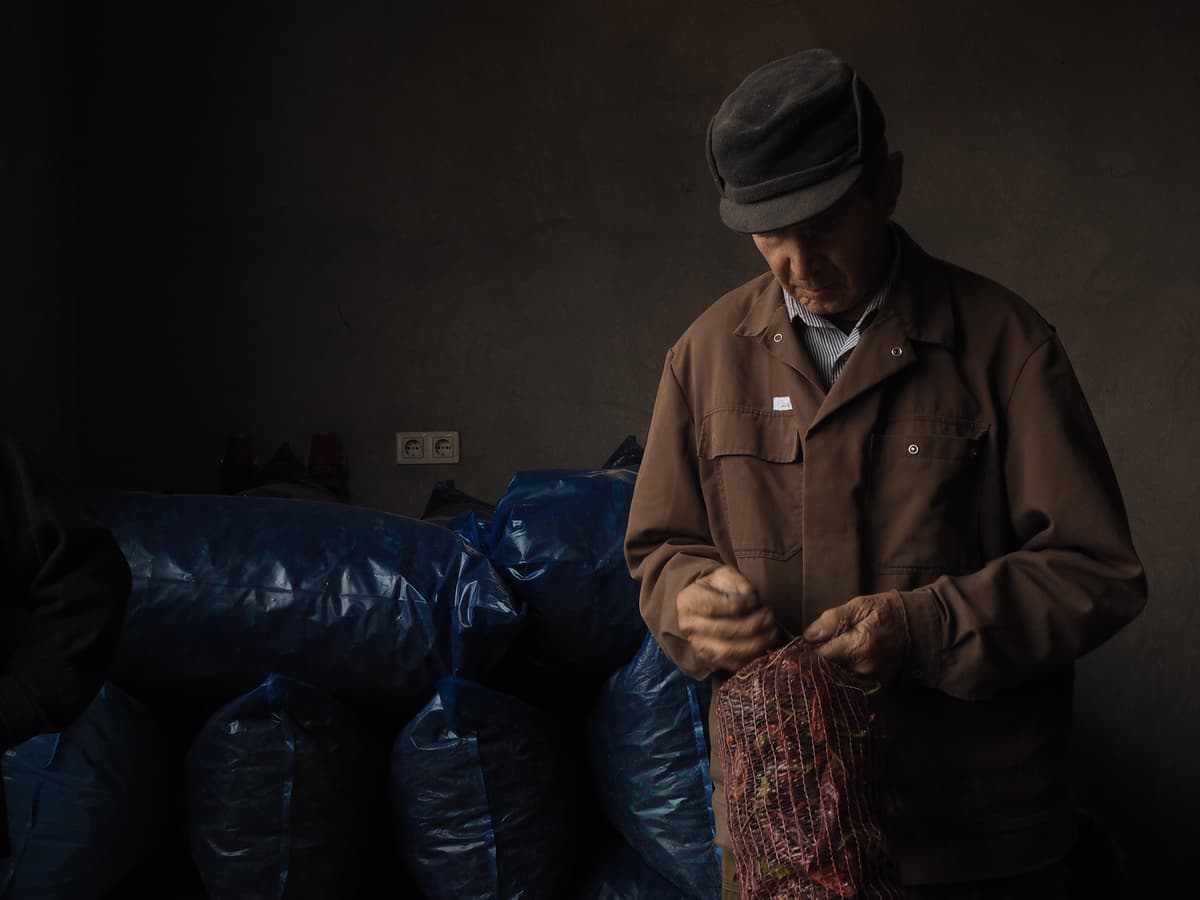
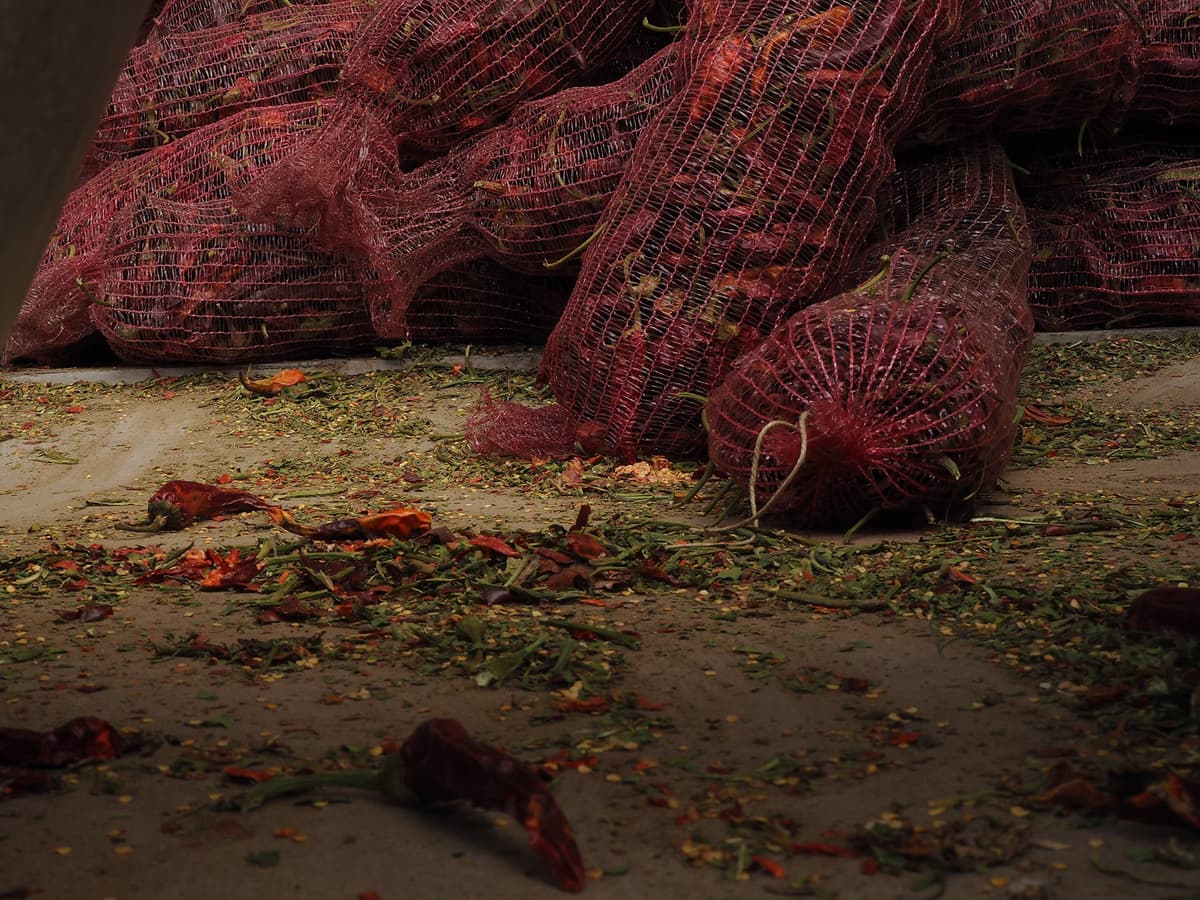
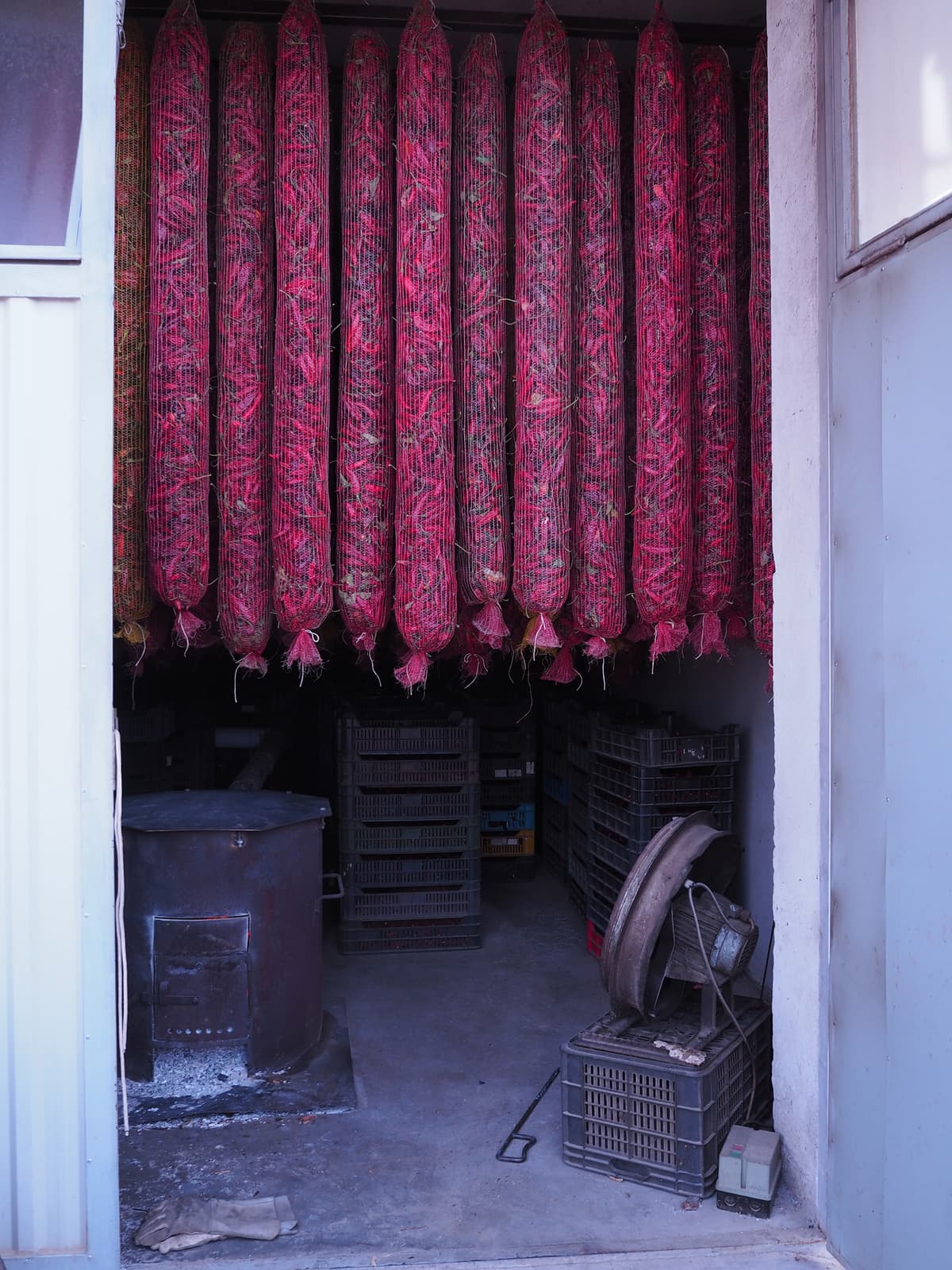
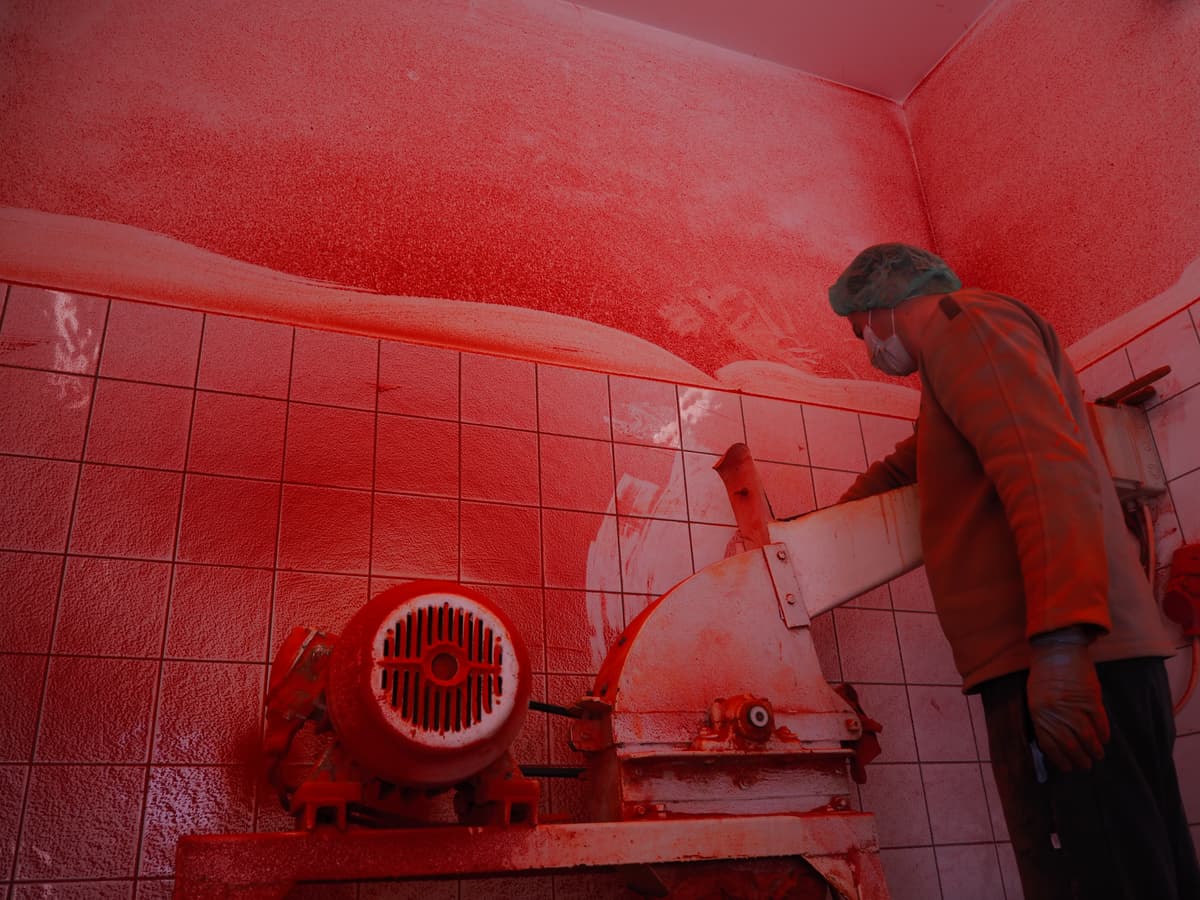
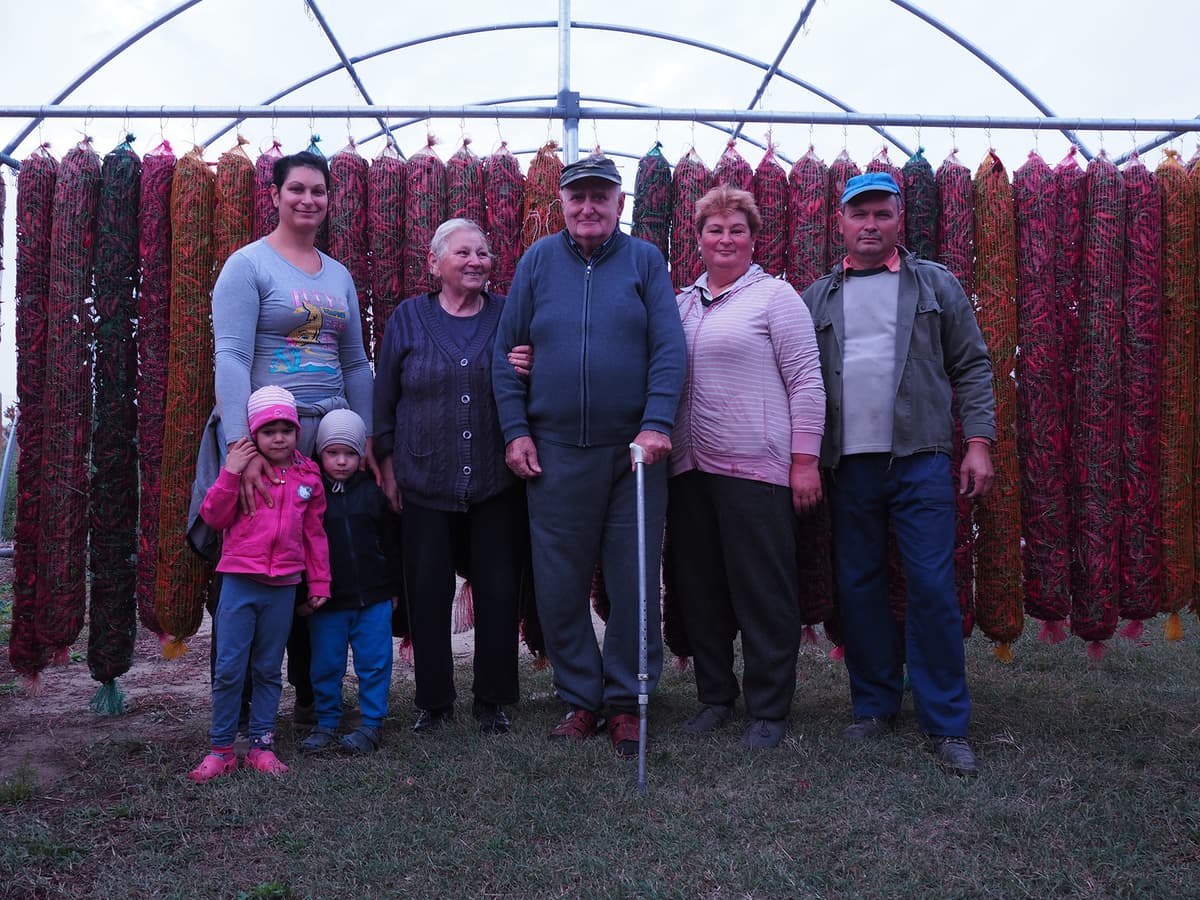
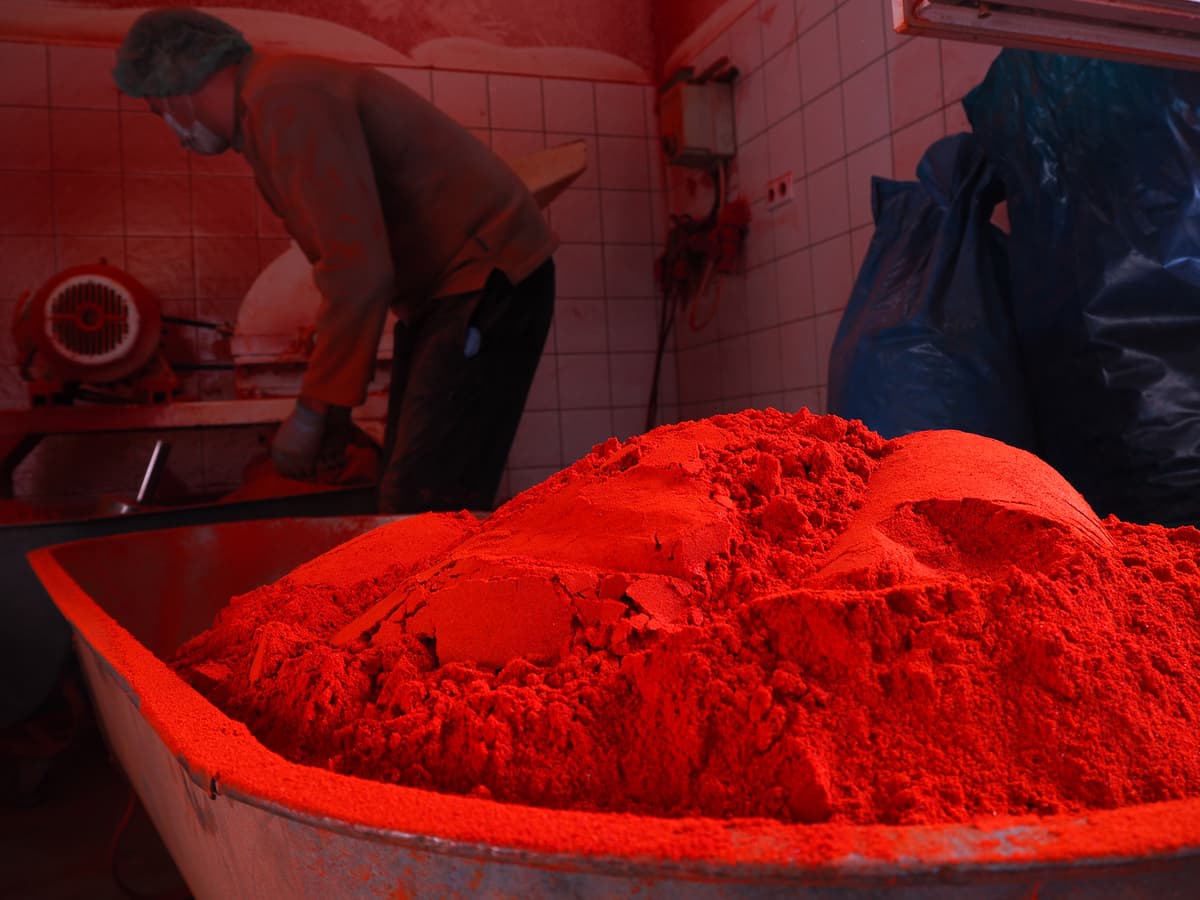
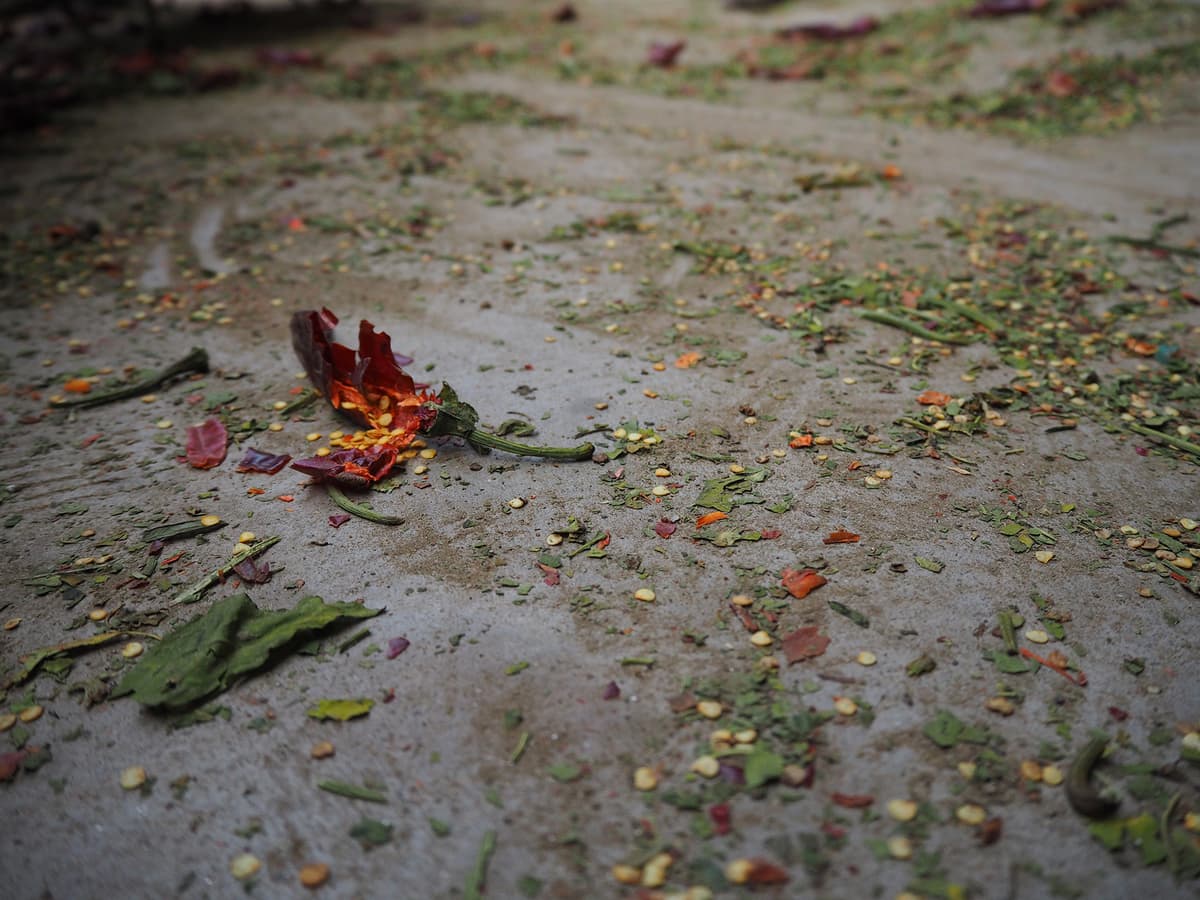
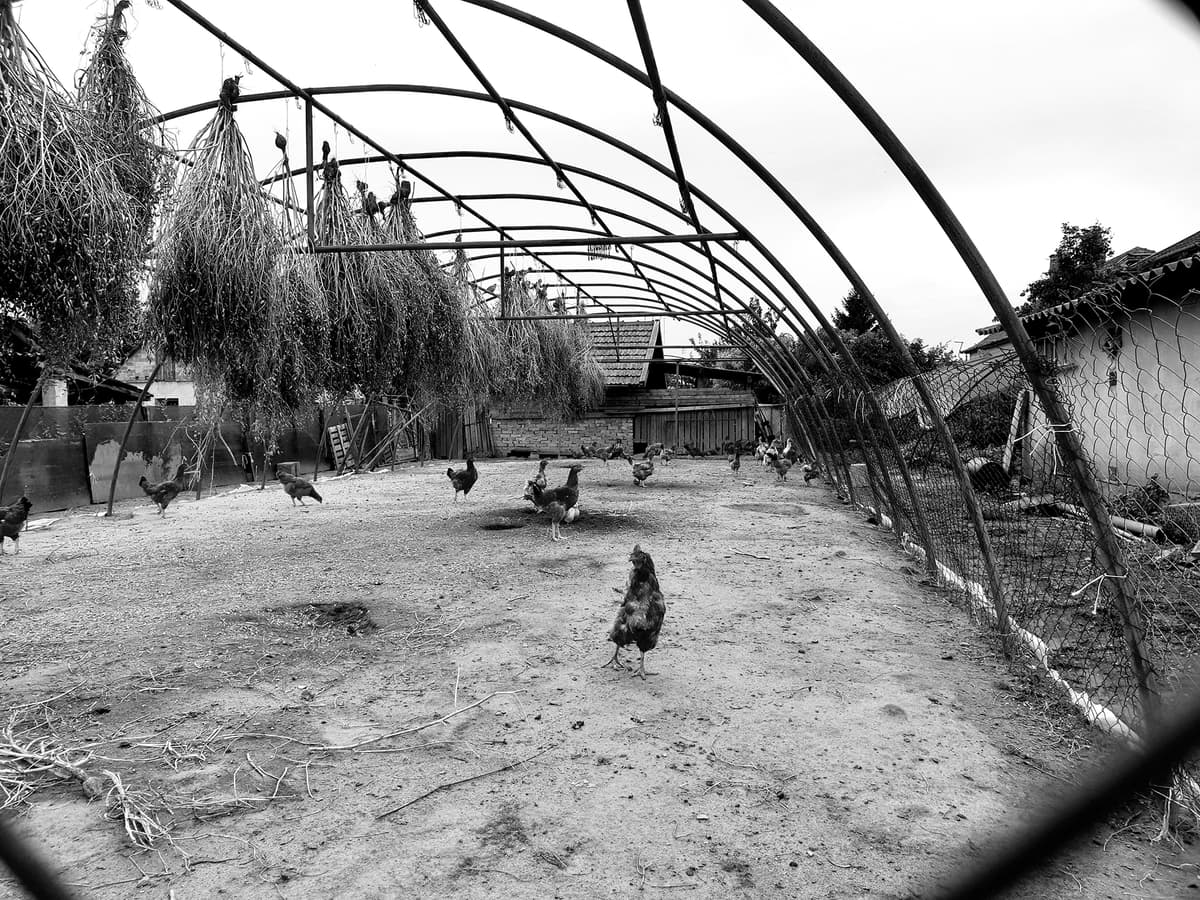
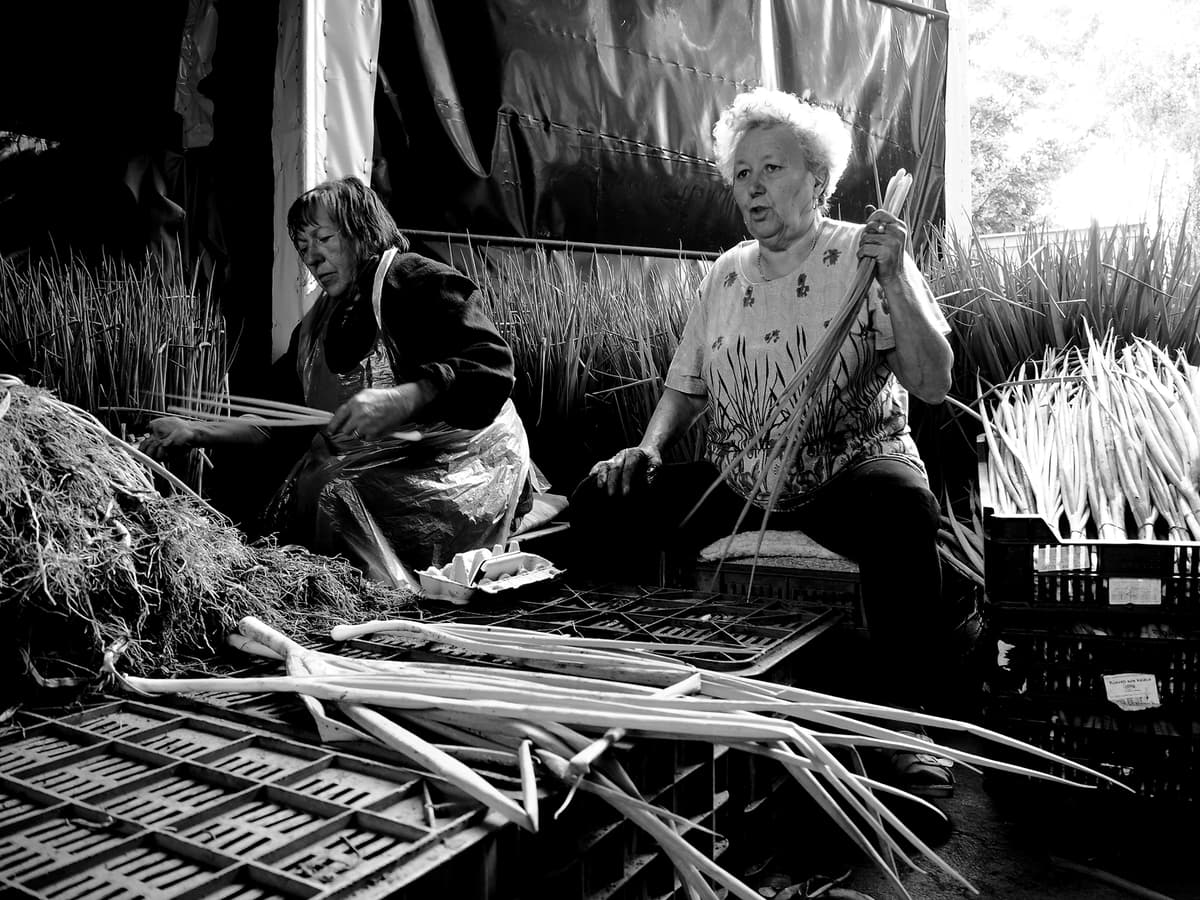
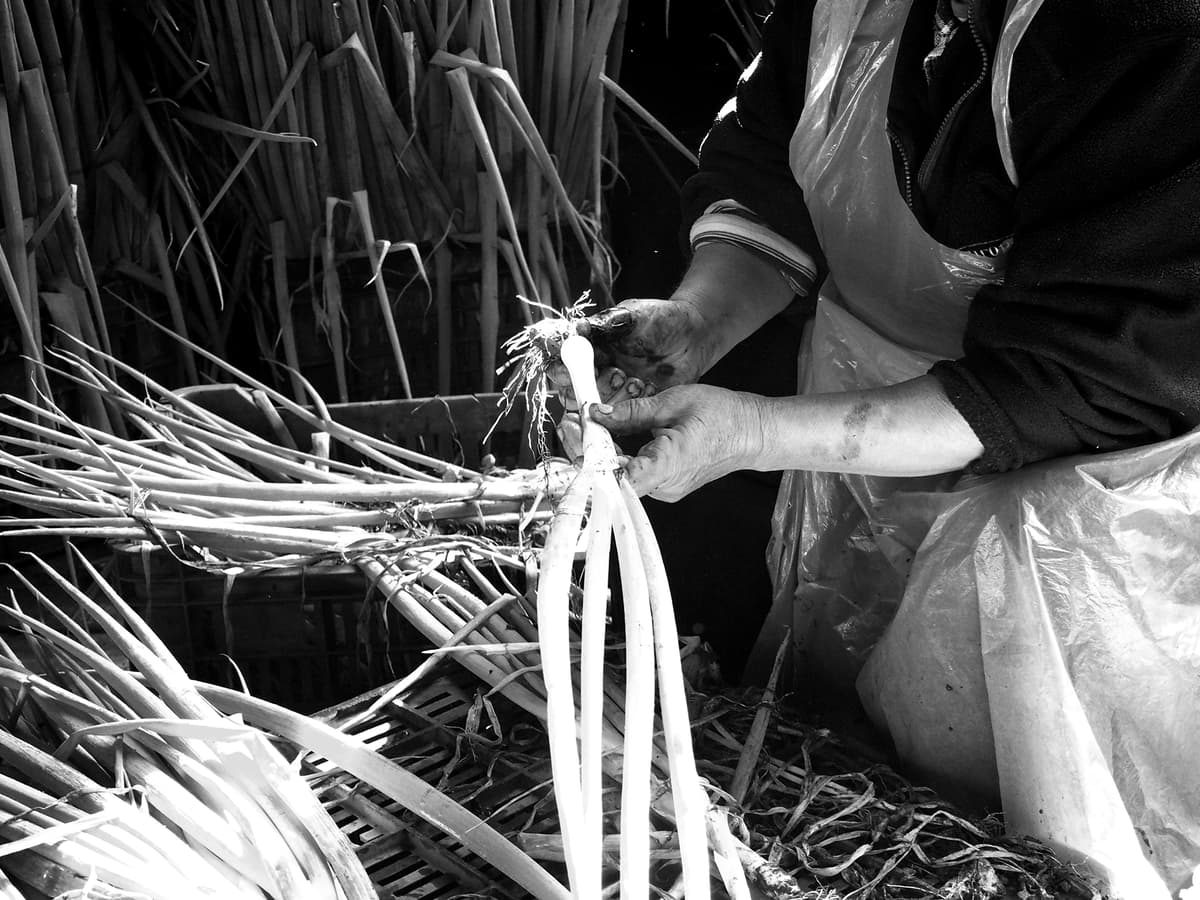
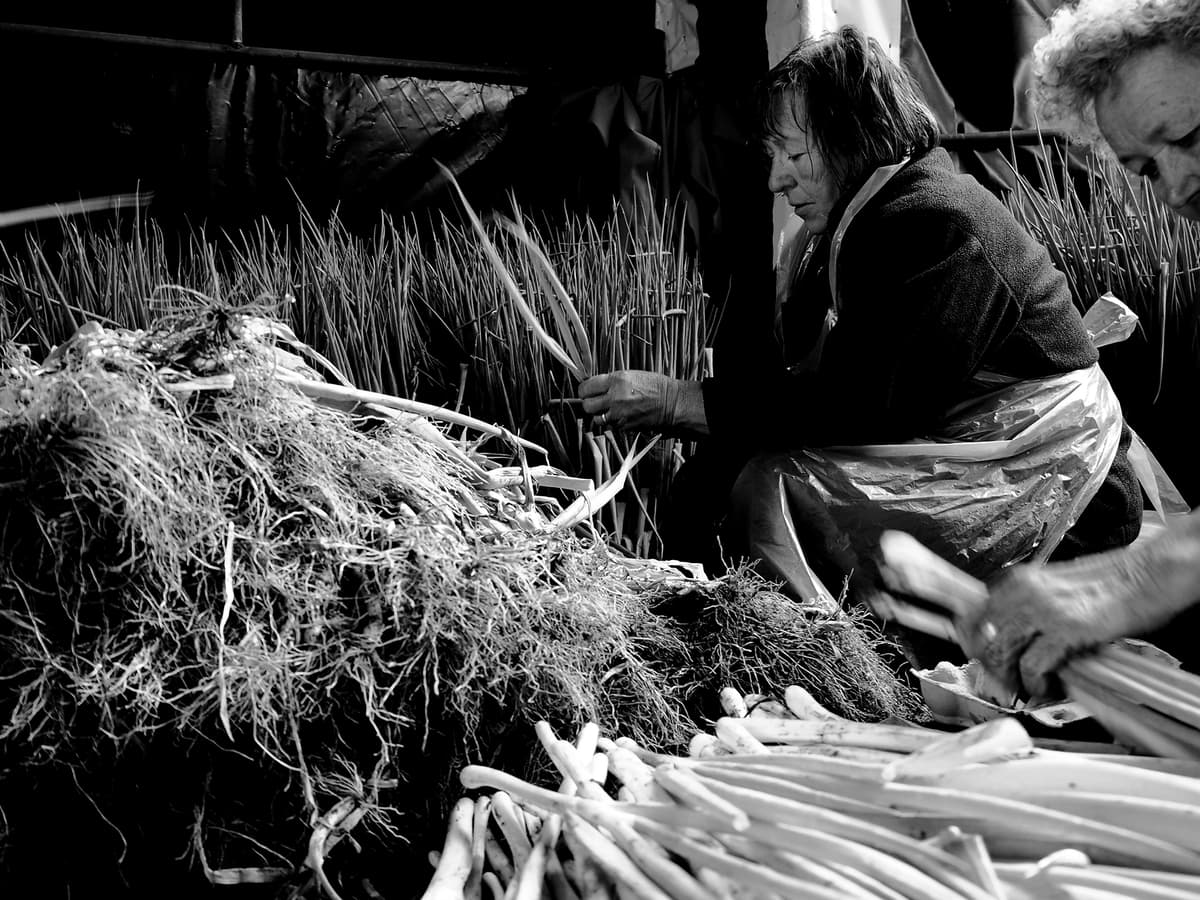
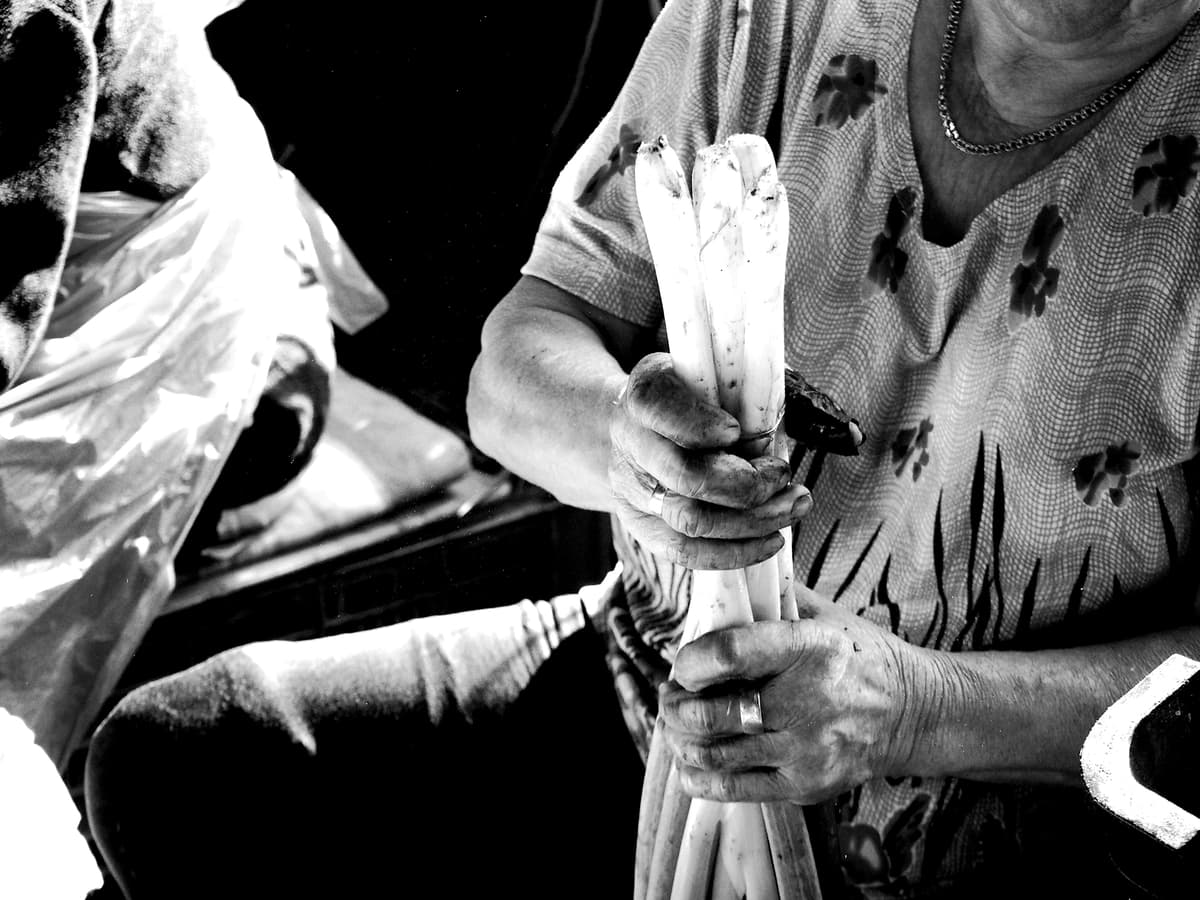
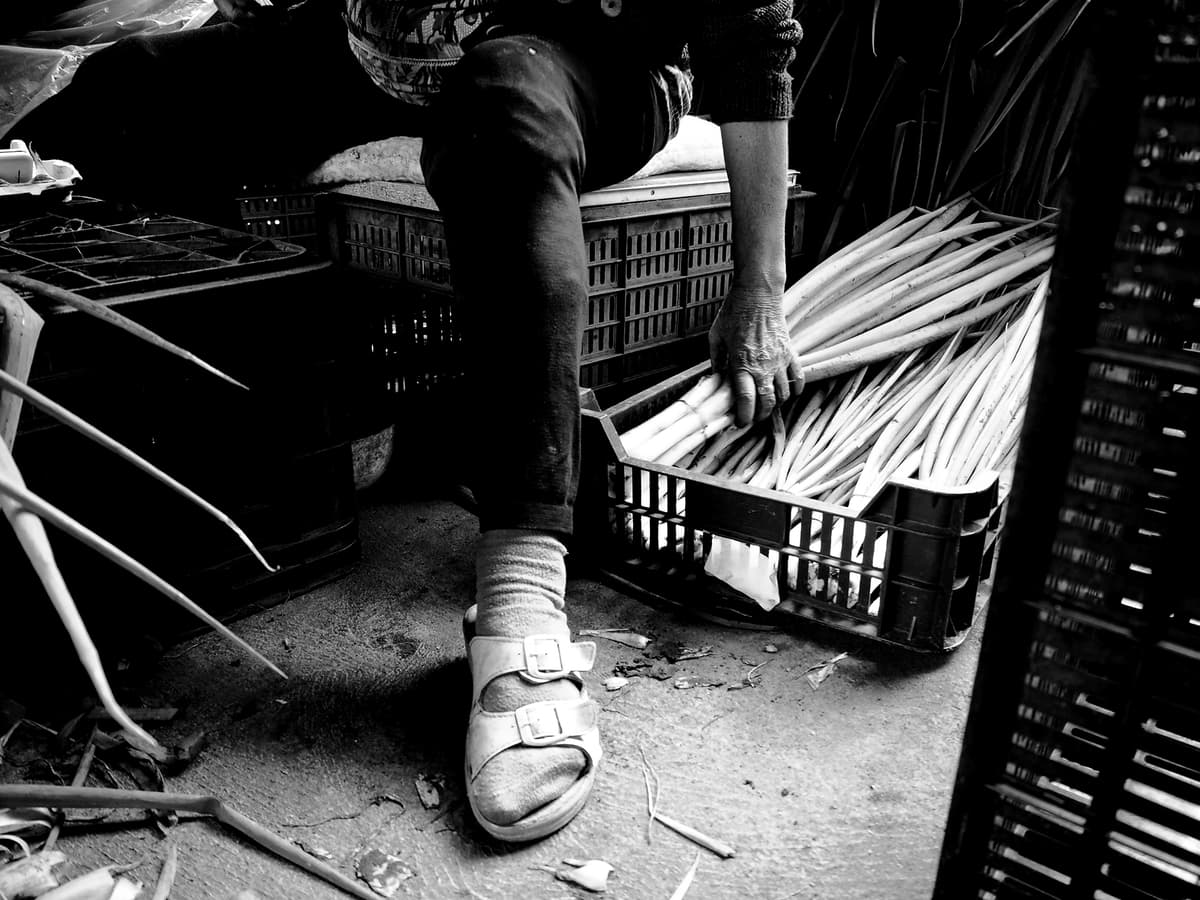
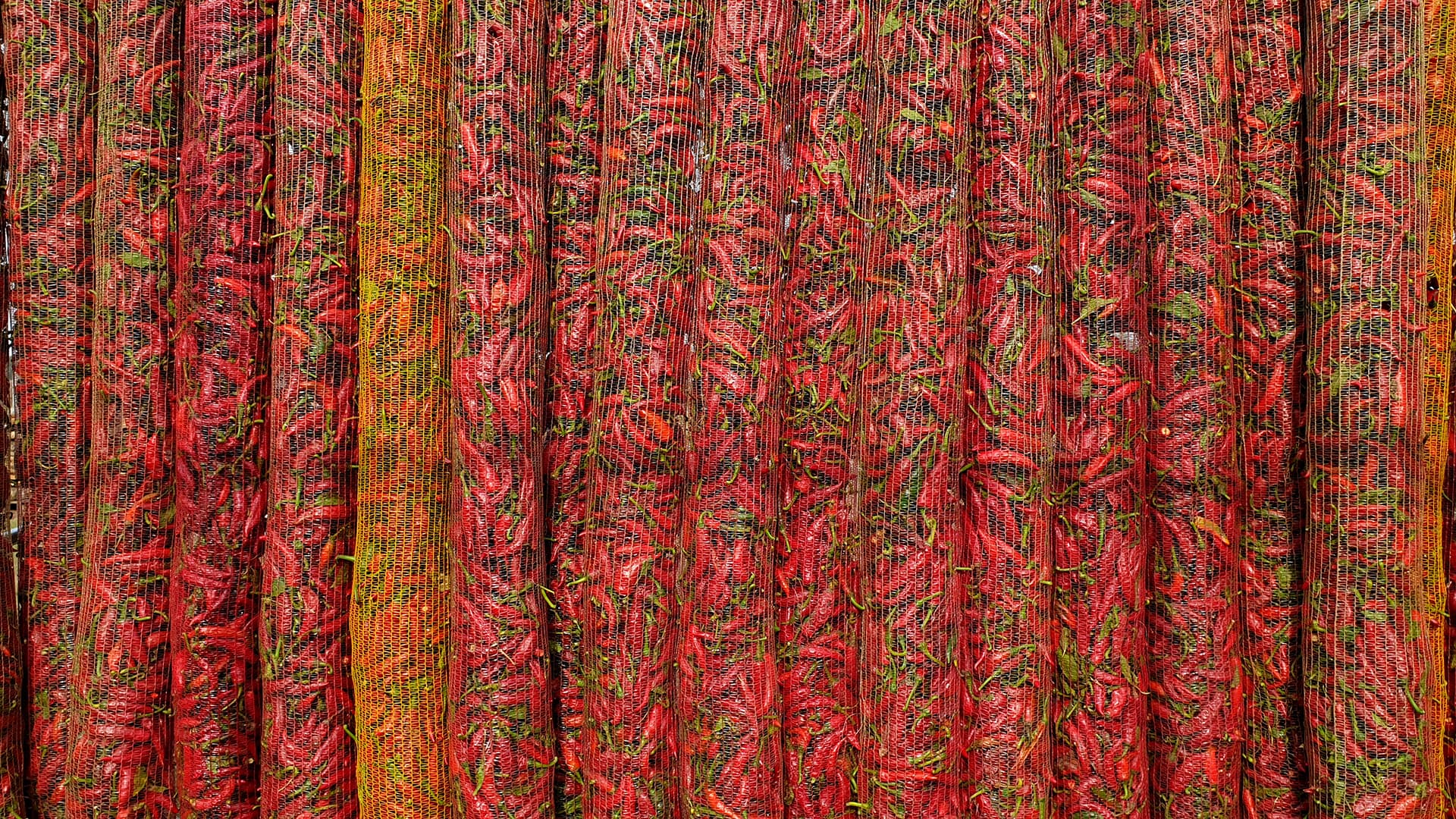
F.T.: I have only one completed photo project that I truly feel as my own: Paprika (2020). In addition, I have other works, some of which were created during my university years, mostly exercises, ideas, or sketches, and others that I created during my time in the press, which were one-off events and installations. A project that stands on its own as exhibition material and stems entirely from my own motivation is my Paprika / The Tradition of Paprika series. At the heart of this project is the method of paprika cultivation in Szeged, Hungary, which is now practiced by very few people in the traditional way and is likely to disappear within a few years.
M.M.: Why are you a photographer?
F.T.: My goal was not to become a photographer. Rather, it was a natural consequence of the film era, so that I could learn to really see things and visually express what I wanted. Then, during a defining period in my life, it served as a safety valve. When I was frustrated by many things, it was something that didn't put pressure on me and helped me focus on something else, and on the other hand it felt good to have something to present at the end of the day.
A little later, it transformed, and now I can think of photography as work. I can think of an independent photo series related to a given theme, or even only as a source of inspiration, for example, for a film idea or story, which I can pin to a page and say I have something like this in my head.
If I had to sum up in one sentence why I take photos, it would be something like this: even though I didn't take it seriously, it became a part of me and made itself serious.
M.M.: Who are you really? Tell us a little about yourself, what is your life story?
F.T.: I studied media in high school and the idea that I could change the world through films entered my head strongly, so after graduating, I applied to Sapientia University in Cluj-Napoca, Romania. I liked that they placed equal emphasis on practice and theory. Those three years were all about films, and photography became more important to me as well.
My first real encounter with analog photography, and one of the most unforgettable parts of my time in Cluj-Napoca was when I was in the photo lab for the first time. My dad gifted me his old Zenit 12xp camera, and I shot a whole roll of black-and-white film with it, which we then developed. The whole thing had a certain atmosphere to it. On the one hand, there was the fact that in the dark, with phones literally turned off in the lab, there was silence, and on the other hand, the pictures we developed were completely different. I loved all the inaccuracies and the feeling that, unlike digital photography, I had something almost alive in my hands.
For the past two years, I have been working in the press as a photo editor.
The job of a photo editor is to select the photos that appear in the newspaper and put them in their place, and its significance is to determine how the newspaper visually presents a given event (which may later become historically significant) to its readers. This approach, combined with strong technical knowledge and experience, has become part of my current work ethic and is most evident in how I choose my next topic and its format.
M.M.: What type of photography do you like making?
F.T.: I am currently working in the documentary and reportage genres.
M.M.: What are your main series or topics that you are following in your art?
F.T.: There is no specific person or series, because it is related to the organizing principle. So far, I have completed several series in a documentary style, and a similar draft is still sitting in my drawer. The focus is on topics that are so everyday or fundamental that they have either already been photographed or have not yet been photographed, however they are a perfect reflection of the given era. I contribute to the preservation of these topics with each picture, and my responsibility begins with how I present them, so there aren't really any models I can follow. At least, I don't know of any yet.
M.M.: Are you a documentary or a social thematic photographer? How do you choose your topics, how many years do you work on one documentary?
F.T.: It's more like the topics find me. For example, the Paprika series is the result of COVID, when I managed to slow down, stay at home, and had time and space for observation. Then the question just popped into my head: since when, why, and who else is involved in the process of bagging paprika? For me, as a kid born in a village near Szeged, it's the most natural thing in the world, but for others, it's absolutely not.
I don't remember exactly, but this project took about 1.5-3 months to complete, and I went to take photos several times in the middle and at the end of the season. I really enjoyed it because I was familiar with the method and the significance of what was happening in front of me, and the end result was a documentary-style social report complemented by picturesque visuals.
My latest project took me nearly two years to photograph. I would have needed even more time to get the comprehensive picture I wanted to convey, but at the same time, it was already a volume that was very demanding for me and the subjects. They did not consent to the publication of this work later on, so it did not come to fruition.
I have another idea lying around in a drawer, but if I were to do it, it would take at least a year, if not more. It doesn't have a title yet, but it would focus on Hungarian oak barrels, which may not sound exciting, but Kádár Hungary is a company that, similar to the theme of Paprika, has survived socialism and still exists today. Master craftsmen make high-quality products, which are sold in large numbers abroad, especially wine and whiskey barrels to France and the US. In a nutshell, I would like to discuss why Hungarian barrels are competitive on a global scale, following them from their time as an oak tree, then the production until they are packed and shipped across the continent or beyond.
M.M.: What is the narrative or artist statement that you refer to in your work?
F.T.: I like to organize the images chronologically, as this helps me to orient myself and see what the “moments” are in the material, and later, when arranging the sequence, I keep the progression of the theme in mind. This allows me to convey a narrative that is easy to follow, and it also allows me to leave room for the characters and their activities to be shown without the series becoming boring at any point.
This means that I am not too strict with myself when selecting the photos at the beginning, but as the complete picture begins to take shape, I discard many good photos until I have a final, strong and comprehensive overall form.
M.M.: What are the elements you are focusing on in your images? What defines your personal style?
F.T.: Honestly? I have no idea. I have tried my hand at fine art photography, and looking back at those photos, I can vaguely see things that I would say represent me. In my documentary work, however, either there is no personal style, or it is so insignificant that it is irrelevant. Overall, I would say that I don't have enough experience yet to talk about such things.
M.M.: Let’s talk about some of your major photographic collections/series. Title, description, short presentation about these.
F.T.: I have a project that I consider complete and, even years later, still regard as a significant milestone. Its title is Paprika/The Tradition of Paprika. The aim of the project is to present the tradition of paprika processing in Szeged, which was almost lost over time but, thanks to the transformation that took place in the agricultural cooperatives, still lives on in a new form.
M.M.: What does freedom of creation mean to you? What is the movement and feeling of taking a photograph?
F.T.: For me, creative freedom means a kind of abundance, but at the same time I really love that moment when I'm just observing and suddenly the theme comes to me, and the bonus part is when I'm lucky enough to catch the moment.
M.M.: What kind of cameras and photo styles are you familiar with, like using? Does it even matter?
F.T.: I use both digital and analog cameras. The Paprika series was shot with an Olympus E-PL 8 camera, which I really like because it is small and does not hinder my movement, but it has a drawback, namely that its RAW format is so special that only iOS can read it. From a technical point of view, this still causes me problems, so I rarely use it and then only for JPG photography.
In my work as a press photographer, I used a Canon Mark IV 5D camera, which was a big change from the previous one in terms of both size and category. From a technical point of view, I can appreciate the capabilities of top-of-the-line cameras, but its weight and size made it extremely uncomfortable to work with.
In terms of analog cameras, I inherited a Zenit 12 xp from my father, which I rarely use because it tends to tear the film. However, I really like the feel of the metal frame. My other camera is an Instax mini 40, which I've been taking out and carrying with me more and more often lately, mainly because the results are immediately tangible.
I also collect cameras and have several, but I don't use them.
M.M.: Is there anyone else in your family who is into arts? Tell me more about them, how, what type of arts, was that encouraging for you?
F.T.: There are a few. My father painted and photographed when he was younger, my mother is a pastry chef, my godmother is a writer, and my partner is a musician. Of these, it is my father and my boyfriend who influence me the most. I once found my father's old photo albums, which were taken with a Zenit camera, and I really liked the way he kept them. In one page, he made collages, and in another one, he showed his friends on trips or just playing on the farm, while the opposite page always showed the village's party secretary or pioneer camps and things like that. I love how he tells the story in parallel, describing while they were watching the girls at Lake Balaton and such things what socialism was like for them.
I admire my partner because he has a specific goal and works very hard to achieve it. Seeing such a process up close is inspiring, and sometimes I am jealous of him because I have not been able to define my goals so precisely since college and am still very much in a searching phase.
M.M.: Do you get inspiration from other photographers, is it important to you to study the history of photography?
F.T.: I follow Magnum photos on social media, and Elliott Erwitt's work stood out to me, especially his iconic dog series.
Among Hungarian photographers, I had the good fortune to attend the opening of an exhibition by Imre Benkő, where I met him and Péter Korniss. There is a lot to say about their life's work, and former colleagues always say that Imre is at Sziget Festival almost every year and continues to be an active creator, just as he was during his time at MTI (Hungarian National News Agency).
They are examples to me of what photography is all about, what photography can be.
M.M.: Social media and its importance in your work's dissemination. What platforms do you use, are you having a strategy, do you collaborate with somebody to make it for you?
F.T.: I have an Instagram page and was very active on it as a creator during my university years. I have a professional account, so I get an accurate picture of how each of my posts performed. For my age group, Instagram was enough 3-4 years ago, but now I don't know, I don't follow the trend that much. When I started college, I made my profile public at some point, and during COVID, it became a professional account. I had a big change then, which is what I do when I get stuck or exhausted at some point. This change was that I put down the Canon 1100D that I inherited from my sister and, along with it, I tried to let go of my anger that I'm not good enough in photography.
From then on, I took pictures with my phone. I took a lot of different kinds of pictures and started posting them on Instagram. I wanted to be present somewhere, and Instagram's format was perfect for me to see my work without having to create a portfolio. Actually, that's the feature that keeps me using it even now. It was more comfortable, partly because I didn't have that camera at my fingertips and I eliminated a source of stress with my phone, and partly because it was always there. I experimented with all kinds of filters and compositions and posted when it was convenient for me. When I had enough, I posted something every week, using basic hashtags such as phone type, photo, and photography, and my number of followers slowly grew. There was a point where it stagnated and didn't grow any further, and I still don't get many reactions when I post something, however, I still get clear feedback when my friends like a picture, because it gets 25-30 likes instead of 10. It's also important to me that I've given these works a chance to not remain in the drawer.
I wasn't conscious of how or why I was doing it at all, I just tried it when I was there and it worked. For example, a popular website focused on Lake Balaton once asked for one of my photos, and although I haven't seen it posted since, someone has noticed me. I should note that this was a fortunate situation because they asked me if they could use it.
In the last couple of years, I've cut back on my social media use. There were two reasons for this. First, besides my job, I rarely had the energy to just go out and take pictures, and second, I worked in the press, and the pictures that showed my development were subject to rules. By this I mean that they were taken at public events to which the newspaper provided access. From a legal point of view, this was stipulated in our contract: I am the author of the photos, but the newspaper has the exclusive right to use them. In practice, this meant that I could not post anything about it until the article for which the pictures were taken was published. Later, I posted a few pictures, but by then I was no longer so enthusiastic about posting.
However, it was unfortunate when I photographed a performance by a contemporary Georgian ballet company, which I had waited about a year for them to come to Budapest. The material appeared in the newspaper, I posted a few pictures on Instagram and tagged them with a hashtag. Their reaction was to post my pictures on their own page and tag me in them... This was not a fair move, because regardless of whether my page reveals that I work for the press or for myself, what is posted on social media is not public property, so this counts as theft. It's an extreme example, but it's equivalent to stealing my car and writing my name on it so that people know who it belongs to.
Returning to the press line, I reported this to my boss, who said that there were two options in this case: either we send them an invoice and they pay for the photos, or they remove them from their website. To continue the story, several members of the company contacted me to ask for the photos, which was extremely unpleasant because I was personally delighted that they liked my work so much that they wanted to display it, but the whole experience was ruined because from then on it became a chore for me to deal with. Overall, if they had asked for permission to use the photos, it would have been a completely different situation. It is important to understand that I was primarily representing a newspaper, while they were a company with a stable income, and by stealing my photos, they were advertising themselves for free.
For this reason, I no longer used hashtags when posting my photos related to the newspaper, and I also posted fewer of them. The advantage of this situation is that I am aware of the rules of use and, because I post less, I select my photos more strictly.
However, this incident did not discourage me from using social media. I believe that in today's world, anyone who wants to call themselves a photographer cannot afford to remain unknown. The most cost-effective way to do this is through social media, and even if you don't want to spend time building a marketing strategy for yourself, it's still useful to just post your photos, because a Facebook or Instagram page alone can serve as a reference that you are indeed an active creator. I should note that it's an exciting topic to learn how algorithms work, and it's not a bad investment for the future to understand the mechanisms that are in people's hands every day.
M.M.: Do you create for you or with an audience in mind?
F.T.: Definitely for myself.
In today's world, there are so many platforms and sources serving people's needs that, proportionally speaking, we are talking about quantity rather than quality of content, even though we need a few people who can give people what they really need.
M.M.: How much do you value others' opinions about your work? In what way does it influence you?
F.T.: I have not yet had the opportunity to receive feedback from strangers during my work. During the process itself, I often ask experts for advice in order to form a final picture, based on the principle that more eyes see more. I definitely rely on them and their opinions, and although this is not always the case, their advice always pays off.
M.M.: Are there some good stories of why it is so rewarding to make photography, to meet people in this manner?
F.T.: For those who are open to it, this is an opportunity to tell their stories. Many will not talk about themselves, but if asked, they will gladly talk about their work and any problems they have to face. I have encountered many questions and thoughts that, despite not being loud enough in today's world, have a right to exist and are often a crucial matter. If there is anything I can contribute to society, it is to give space to these topics and raise the question: what is happening with them now, and what will happen next?
M.M.: Is there a way you select models for your photographs?
F.T.: Until now, I have photographed families or associations because my subjects were so specific that you could say the subject chose the person.
M.M.: What is the spotlight of your creation? The dearest or more appreciated series you ever made, talk about it for us.
F.T.: I spent nearly two years photographing my latest project. The subject matter was exciting and spectacular, but it wasn't photographed very superficially because it took a lot of time and energy, it was unpredictable, and it could only be shown through subject(s). In short, it was very risky, and it's no coincidence that no one else was working on it. However, what attracted me to it was precisely the fact that there was no competition. The whole work was very exhausting, and there were times when I felt I couldn't go on with it. There were times when it took a back seat, then I started to work with two subjects instead of one and was able to make better progress, but even after almost two years, I was still at the point where I needed 1-2 more pictures to be done, but those pictures would have required luck and even more time. At that point, however, I felt that both the subjects and I were so tired that maybe I had to publish it in the state it was in, but I felt that something was still missing.
However, I did not have to come to terms with this feeling of incompleteness, because before I had finished editing the material, the two subjects indicated that they did not want to be featured in any way and did not consent to publication... I was relieved, and looking back at the entire material, if it had been completely finished, I would certainly have submitted it for a press photo award, but we didn't get that far.
Nevertheless, I don't regret it. As a creator, I gained more by taking a risk, stepping out of my comfort zone, and working hard, and I don't see it as wasted material, but as a big undertaking that almost paid off.
My goal was to show a very narrow segment of society that performs an essential everyday activity that transcends gender roles. The message of the topic was very important to me, and I didn't throw it away because it can be transferred to another project when the time comes. The subjects summed up the project best:
"As long as women don't see what roles they can play in society, as long as they don't have role models, they won't feel this need. There are very few women who think, 'But I could do that too, I could be there too."
M.M.: How do you refer, or may even measure the success and personal evolution in your art?
F.T.: I don't know, I just need to feel like I'm moving forward. As long as I'm making even the slightest progress, everything is fine, but if I stagnate, I feel like I've failed in some way.
M.M.: What is the gap in your creation? To what do you allocate less time? Editing, post production, social media, self promotion, up to date portfolio, 3 back up copies of your work, proper archiving?
F.T.: In terms of archiving, I can only afford two backup copies, which is how much storage space I could acquire so far. I would like to build a proper archive. So far, this has worked with RAW files, but I still struggle with the Lightroom catalog sometimes. However, I would like to be able to handle it confidently and store the images in DNG format as well.
I often feel uncertain about image processing, as I am concerned that I am not getting the most out of a given photo. I am compelled to create a portfolio every few years, which is always challenging, but I am proud of the end result and it feels particularly good to see what I have been doing over the past few years. I plan to return to social media, but I don't promote myself every day. I don't primarily call myself a photographer, even though that's the field I'm most active and mature in. My approach is that if I have another project, I'll find a way to publish it, I just have to look for it.
M.M.: If you had to define photography in three words, what would those be?
F.T.: Moment, documentation, state (of mind).
Thank you for sharing your start as an emerging documentarist photographer. Good light to you!